
Esso £1M Fine: Why Asset Integrity and Inspection Management Cannot Wait

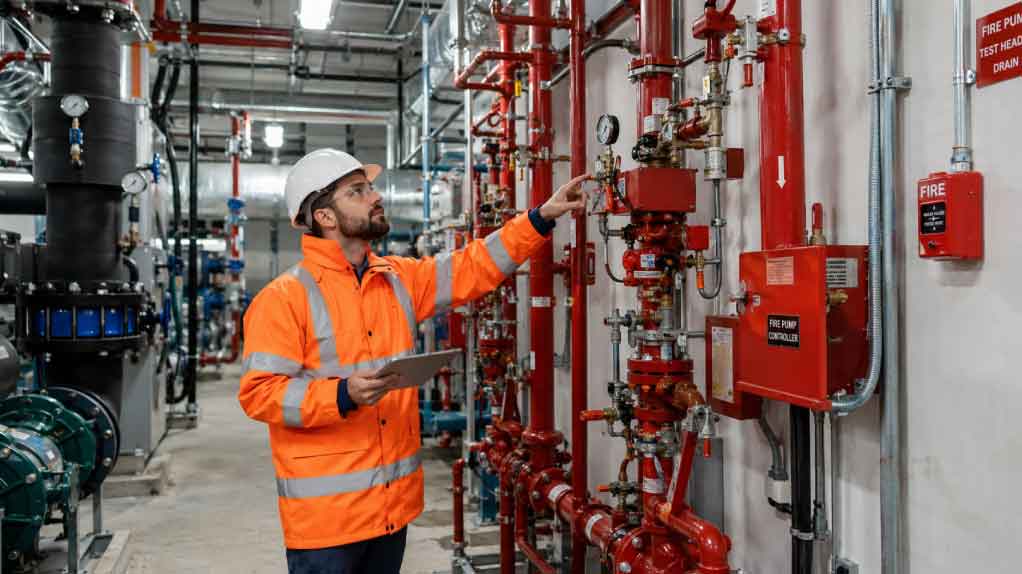
Facilities engineer inspecting mechanical and fire safety systems in a commercial building,

The numbers in Germany’s TÜV Building Report 2026 are difficult to read if you are responsible for the safety of a building. Published on 3 June 2026, the report found that 35.9 percent of all technical building systems inspected in 2025 had significant defects, an increase of nine percentage points compared with the previous year. Only 26.9 percent of systems passed inspection without any issues at all.

Fire suppression systems recorded a defect rate of 40.6 percent. Ventilation systems came in even higher at 44.2 percent. Emergency power supplies and emergency lighting each showed defects in roughly one in three units inspected. Even newly installed systems were failing: first inspections of brand-new installations recorded a defect rate of 26.3 percent, up from 19.7 percent the previous year.

Germany is not an outlier. These are the symptoms of pressures that affect building estates across Europe: ageing infrastructure, tightening budgets, skilled worker shortages, and the growing technical complexity of modern building systems. The TÜV findings are a signal for facilities managers, property operators, and compliance leads everywhere.


What the TÜV Report Actually Found

The TÜV-Verband’s Baurechtsreport 2026 is compiled from statutory inspection data across Germany, covering building safety installations in commercial, industrial, public sector, and residential properties. The organisation pointed to three root causes for the deteriorating results: growing technical complexity of modern building equipment, rising cost pressures that create incentives to defer maintenance, and an acute shortage of skilled workers for installation and upkeep.

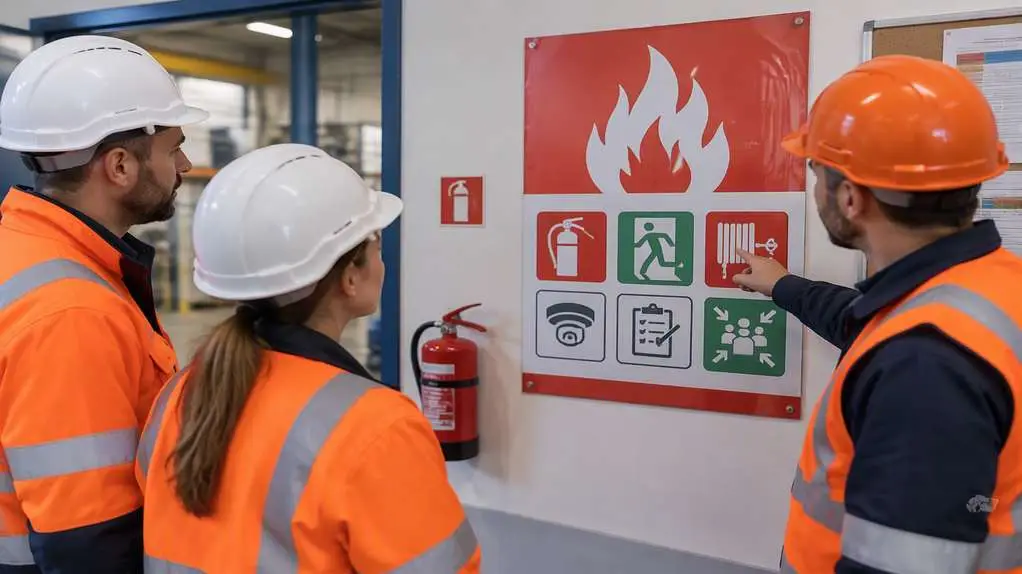
The most alarming finding is the state of fire suppression systems. A defect rate of 40.6 percent means that in more than two in every five inspected installations, significant faults were found. These are not cosmetic issues. Fire suppression systems are the last line of defence in a building fire. When they fail, the consequences for workers, occupants, and assets can be catastrophic. The same week the report was published, real-world examples were not hard to find: a production hall fire in Wetter in the Ruhr region, a nitric acid release at a brewery following a forklift accident, and separate blazes in multiple German cities in the same seven-day period.

The ventilation figures are equally significant. Ventilation systems do not only manage air quality. In industrial and manufacturing environments, they are a critical control measure for hazardous substance exposure, heat stress, and fire risk. A 44.2 percent defect rate in this category is a direct occupational health and safety concern, not merely a facilities management inconvenience.

Germany’s lawmakers took note. An amendment that came into force on 29 May 2026 raised the threshold at which companies must appoint a mandatory safety officer from 20 to 50 employees, partly in response to the deteriorating inspection results. Smaller businesses are now under pressure to manage more complex safety obligations with proportionally fewer dedicated resources.


The Broader Problem: Inspection Without Action

The TÜV report points to a pattern that facilities managers and compliance professionals recognise across all geographies: inspections are carried out, defects are identified, and then the follow-through breaks down. An inspection that generates a report but no tracked corrective action is not a compliance system. It is a liability document.

For buildings with complex technical installations, including fire detection and suppression, emergency power, ventilation, lifts, pressure systems, electrical installations, and gas, the sheer volume of scheduled inspection and maintenance activity is significant. Managing this effectively across multiple assets, multiple sites, or a large property portfolio requires more than a calendar reminder and a paper job card system.

The TÜV findings suggest that the gap between what is being inspected and what is being remediated is widening. Rising defect rates on first inspections of new systems are particularly telling: even newly installed equipment is arriving or being commissioned with faults that should have been caught before the building went into occupation.

For facilities managers, this creates a clear compliance and reputational exposure. A defective fire suppression system that is flagged in an inspection report and not remediated, then contributes to a serious incident, is not just a maintenance failure. It is a documented, knowable risk that was not acted upon. That is precisely the pattern that regulators pursue.


What Good Looks Like: From Inspection Data to Managed Action

Effective facilities compliance does not end when an inspection is completed. It begins there. The findings need to be captured in a structured format, assigned as corrective actions with clear owners and deadlines, tracked to completion, and reviewed to confirm that the remediation was effective.

Across a large or complex building estate, this requires a management system that connects inspection activity to asset records, generates and tracks corrective actions automatically, provides real-time visibility of what is outstanding, and creates an auditable compliance history for every asset.

For organisations managing critical building systems, whether in facilities management, manufacturing, industrial operations, public sector property portfolios, or emergency services infrastructure, this is not aspirational. It is the operational baseline that regulators and insurers expect.


How FlexManager Supports Building Safety and Facilities Compliance

FlexManager provides the operational tools that organisations need to move from reactive maintenance to a structured, auditable safety management approach across their building and asset estate.

Asset management in FlexManager allows organisations to maintain a full register of building systems and equipment, each with condition records, inspection history, compliance status, and maintenance schedules attached. Every asset has a traceable history from commissioning through its full operational life.

Planned preventive maintenance scheduling ensures that all mandatory inspection and servicing activity is programmed, assigned, and tracked. Fire suppression systems, ventilation, emergency lighting, lifts, and electrical installations each have their own inspection cycles. FlexManager ensures no cycle is missed, and overdue tasks are escalated automatically.

Audit and inspection management provides structured digital checklists for every type of building inspection, with photographic evidence capture, digital sign-off, and immediate generation of corrective actions when defects are found. The gap between identification and remediation action is closed by design.

Corrective action tracking ensures that every defect found in an inspection generates a tracked task with an assigned owner, a deadline, and a completion record. Nothing identified in an inspection is left in a PDF report that no one follows up.

Real-time compliance dashboards give facilities managers, health and safety leads, and senior management a live view of the compliance status of their entire estate: which systems are within their inspection window, which are approaching renewal, which have open defects, and where the highest-risk items are concentrated.


Is Your Building Estate Telling You Something You Are Not Hearing?

The TÜV report is a data-driven description of what happens when inspection and maintenance processes are not working as a system. Defects accumulate. Risk increases. And eventually, something goes wrong that an earlier intervention would have prevented.

Is your organisation confident that every defect identified in your last building inspection has been properly assigned, tracked, and closed out? If that question is harder to answer than it should be, that is where FlexManager starts. Book a demo today and see how it works in practice.

Related Articles