

Health Surveillance Compliance: HSE’s Landmark Warning to Employers
HSE issued its first Prohibition Notice against an occupational health provider. See what it means for health surveillance compliance and contractor management.
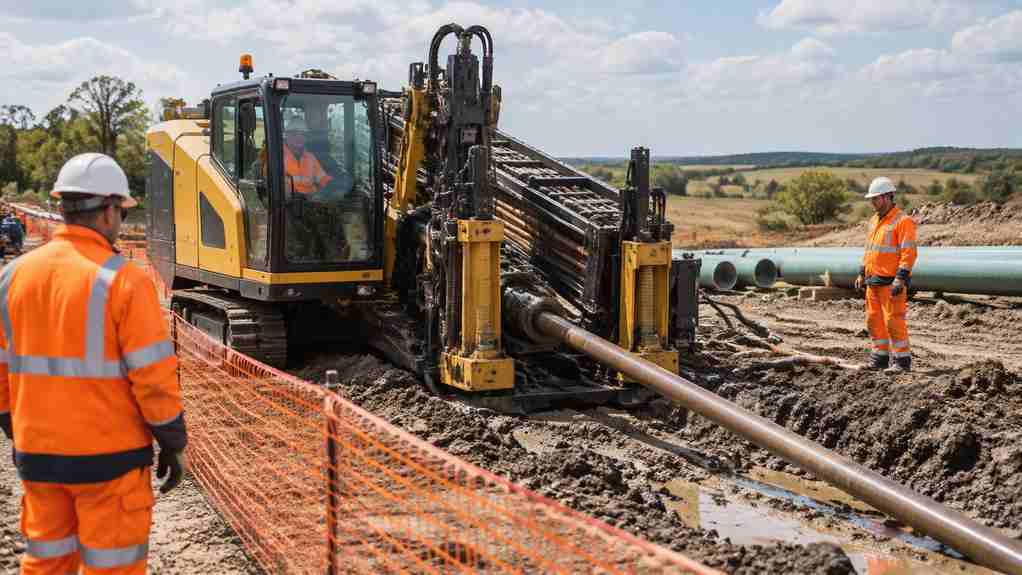
The Health and Safety Authority (HSA) and ESB Networks have today (November 25th) announced a new joint safety campaign to raise awareness of the electrical risks associated with working in proximity of the ESB Networks electricity network, or deliberate interference with ESB Networks infrastructure in the workplace.
There was a 40% increase in the number of Stop Work Notices issued by ESB Network Technicians in 2024. These notices are issued when unsafe work is identified near live electrical infrastructure, such as overhead lines or underground cables. This increase reflects ongoing concerns about unsafe practices and highlights the need for workers and employers to engage with ESB Networks before starting any work near the electricity network.
Greg Beechinor, Senior Inspector at the HSA, commenting on the collaboration, said:
“Working near ESB Networks infrastructure can present a serious risk if not managed correctly. Before commencing any work near the electricity network, employers are reminded to engage with ESB Networks in advance and ensure a safe system of work is in place. This applies to work activities such as digging, retrofitting homes with external insulation where overhead electrical services exist, or erecting scaffolding close to overhead lines”.
Claire Mulholland, Public Safety Manager, ESB Networks, added:
“We welcome the opportunity to work with the HSA to strengthen awareness of electrical safety when working near ESB Networks infrastructure. We know from experience that many incidents involving the electricity network are avoidable. The danger often comes from a lack of awareness or assumptions that infrastructure is inactive or safe to work around. If you are planning work near ESB Networks infrastructure, please talk to us first. We are here to help you work safely. This collaboration with the HSA is an important step in reinforcing this message across all sectors”.
This joint initiative targets employers, contractors and workers across all sectors who may carry out work near ESB Networks’ infrastructure, including overhead lines, underground cables, mini-pillars and meters. The campaign serves to remind employers and workers of the importance of planning works and engaging with ESB Networks in advance of works.
All work activities near ESB Networks infrastructure must be carried out in accordance with the relevant Codes of Practice, namely, the Code of Practice for Avoiding Danger from Overhead Electricity Lines and the Code of Practice for Avoiding Danger from Underground Services.
Original Article – HSA
HSE issued its first Prohibition Notice against an occupational health provider. See what it means for health surveillance compliance and contractor management.
For many organisations, managing HSEQ compliance has traditionally meant juggling spreadsheets, paper records, and disconnected systems. The result? Time-consuming processes, limited visibility, and a higher risk of errors or missed obligations.
Germany's TÜV Building Report 2026 found 35.9% of technical building systems have major defects, including fire suppression and ventilation. Here is what it means for facilities managers everywhere.
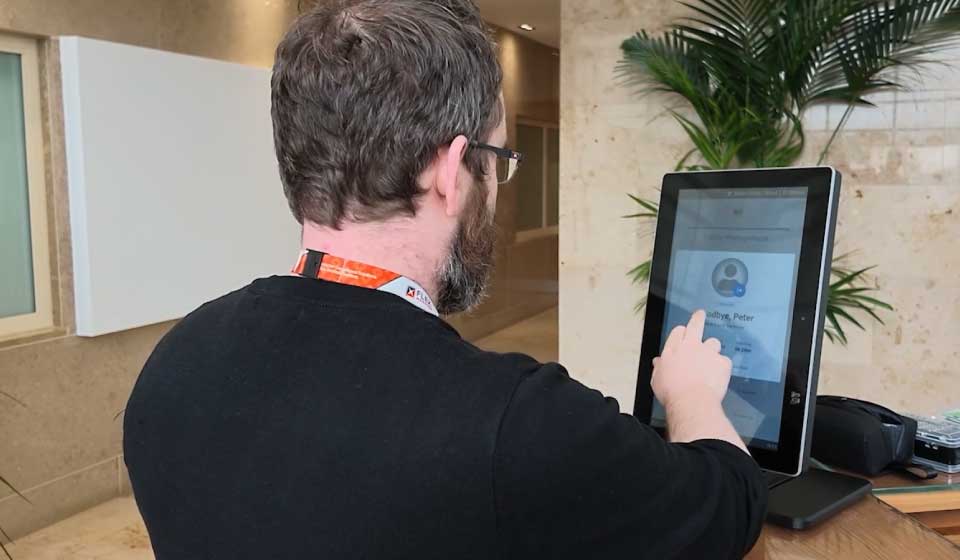
For organisations operating across multiple sites or with contractor teams, managing access isn’t just about security, it’s about safety, compliance, and operational efficiency. Every individual entering a site or performing tasks should be authorised, trained, and verified.
The HSA and HSENI have launched a joint all-island silica dust inspection campaign for construction sites running June to August 2026. Here is what employers need to do to stay compliant.
Esso was fined £1 million after corrosion identified in 2010 caused a catastrophic gas leak in 2022. The Fawley verdict is a warning for every organisation managing ageing industrial assets.
France has launched its National Occupational Health Plan 2026–2030, raising the bar on workplace safety compliance, risk assessments, and contractor worker training. Here is what it means for employers.
Whether it’s improving data accuracy, streamlining training, or equipping teams with durable technology, FlexManager has you covered with reliable products that provide assurance in compliance for organisations. We are looking back at our "Product Showcases" to explore once more how our centralised solution can work with technology to transform day-to-day operations for our clients. Let's revisit each product featured, what it offers, and why it matters.
Ontario's JHSC certification training programme changes from 1 July 2026. Find out what is new and how FlexManager helps Ontario employers stay compliant and inspection-ready.
For many organisations, especially those operating across multiple sites or working with contractors, controlling and verifying access can quickly become complex. Manual sign-in processes, paper records, or disconnected systems often make it difficult to confirm whether individuals are properly trained, authorised, or compliant before they enter a site or carry out critical work.
Germany's ArbSchG reforms from June 2026 formally integrate mental health into workplace risk assessments. Learn what has changed and how FlexManager helps organisations stay compliant.
Canada's 2026 Work Fatality Report recorded 1,042 deaths in 2024 and rising rates in seven jurisdictions. Learn why traditional safety approaches are no longer enough and what proactive compliance looks like.
Fill out the form below and one of our FlexPerts will contact you.