Health Surveillance Compliance: HSE’s Landmark Warning to Employers
HSE issued its first Prohibition Notice against an occupational health provider. See what it means for health surveillance compliance and contractor management.
On April 10 in Montreal, Ontario Labour Minister David Piccini will ask his counterparts across Canada to make concrete decisions that would put two core safety training requirements on a path to full national harmonization by January 1, 2027.
“We’re pushing for one Canada, one standard,” Piccini said in a pre‑meeting interview with Canadian Occupational Safety, arguing that fragmented training rules make it harder to staff major projects with skilled workers from across the country.
He linked the harmonization push directly to the demand for labour on hospitals, transit, nuclear and other large projects, saying governments have “built these walls” over time and now need to “tear them down” so workers can move more freely between provinces.
Ontario will be seeking the following outcomes from labour ministers at the April 10 meeting of the Canadian Association of Administrators of Labour Legislation (CAALL):
Piccini stressed the initial list reflects feedback from workers and employers about which programs matter most.
“This list is an important start,” he said. “How do you eat an elephant? One bite at a time.”
He singled out working at heights as “a biggie,” describing it as one of the top priorities identified when Ontario consulted “a cumulative total of millions of Ontario workers” on which training requirements cause the most friction when people move between jobs and jurisdictions. The Minister recently received support from Canada’s Building Trades Unions and met with the Canadian Construction Safety Council Secretariat in January.
Piccini argued harmonization needs to go beyond provinces recognizing each other’s courses and toward aligning the regulations themselves.
“We’ve got a great reg for working at heights in Ontario,” he said. “What I would say is it’s no more complicated than ministers at a political level directing their officials to work collaboratively and land on the regulation that mimics that reg across Canada… One reg, it’s the same. It’s easy to understand.”
Safety professionals who have spoken to Canadian Occupational Safety in earlier coverage agree that mobility and clarity are important, but warn that if ministers only harmonize training lists and certificates without committing to parallel changes in each jurisdiction’s OHS regulation, the result could be harmonization on paper that still leaves employers with uneven legal obligations and due‑diligence risk.
Those critics will be watching for signs that the CAALL process ultimately delivers:
On the federal side, Secretary John Zerucelli’s office is framing the April 10 meeting as part of a broader economic project.
“The upcoming meeting of federal‑provincial‑territorial ministers responsible for labour is pivotal to continue working with provinces and territories to create a more unified and seamless Canadian economy,” the office of the Secretariat for Labour said in a written statement, pointing to pressures from national housing and infrastructure initiatives.
The Secretariat ties the discussions directly to a commitment by First Ministers “to accelerate work to recognise priority health and safety requirements in the construction sector by Fall 2026.” Rather than listing courses like working at heights by name, Ottawa is emphasising recognition of “training outcome frameworks” so that “no worker’s health and safety training is lost when they move across provincial or territorial borders.”
Zerucelli’s office also points out that jurisdictions have already aligned requirements for several types of personal protective equipment such as head, foot, eye and hearing protection, as well as first aid kits and first aid training, under national OHS reconciliation agreements signed in 2019 and 2021.
“Thanks to our continued, strong collaboration, these ongoing efforts will help us create a more agile workforce and economy where workers and businesses can operate safely and freely across the country,” the Secretariat said.
Ontario has also been promoting the idea of a national digital certification system to verify workers’ training and credentials.
“I know that we feel certainly that that tech platform is best delivered at a national level,” said Piccini, adding that Ontario could help pilot elements that other jurisdictions could adopt.
The Secretariat for Labour isn’t making specific promises before the meeting but says the federal government “recognizes the importance of exploring what new technologies can do to help us enhance workplace safety and worker mobility.”
Piccini says the political and stakeholder climate is favourable heading into the Montreal meeting.
“I would say we’re meeting the moment right now where we’ve got national consensus on this, from people of all different political stripes,” he said, noting he was invited to brief Canada’s Internal Trade Committee and that the federal government has been “really supportive” of Ontario’s efforts.
Asked what happens if one or more provinces or territories refuses to sign on to Ontario’s proposals on April 10, Piccini said he has no plans to walk away.
“If there’s a territory or province that for whatever reason can’t sign on to this, I’ll be on the next flight or the next car drive into that province to make sure we get and build consensus,” he said. “I’m not going to stop until this is done because there’s too much on the line.”
For employers, workers and training providers, key questions in Montreal will include:
Piccini’s message heading into the meeting is blunt: “We’ve got a nation to build… and it’s about one Canada, one standard.”
The April 10 talks in Montreal will be an early test of how far and how fast ministers are prepared to go to turn that slogan into enforceable, harmonized rules on the ground.
Original Article – The Safety Mag
HSE issued its first Prohibition Notice against an occupational health provider. See what it means for health surveillance compliance and contractor management.
For many organisations, managing HSEQ compliance has traditionally meant juggling spreadsheets, paper records, and disconnected systems. The result? Time-consuming processes, limited visibility, and a higher risk of errors or missed obligations.
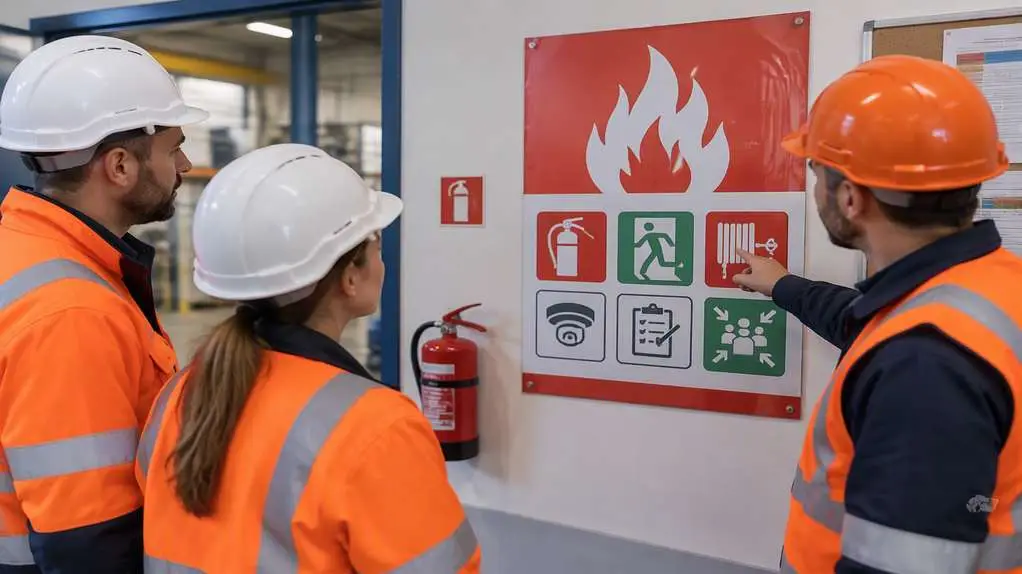
Germany's TÜV Building Report 2026 found 35.9% of technical building systems have major defects, including fire suppression and ventilation. Here is what it means for facilities managers everywhere.
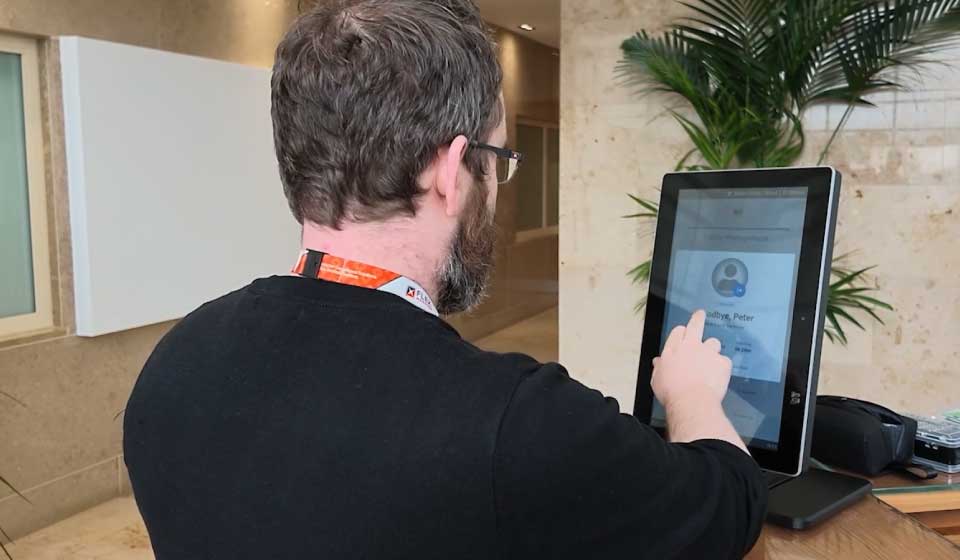
For organisations operating across multiple sites or with contractor teams, managing access isn’t just about security, it’s about safety, compliance, and operational efficiency. Every individual entering a site or performing tasks should be authorised, trained, and verified.
The HSA and HSENI have launched a joint all-island silica dust inspection campaign for construction sites running June to August 2026. Here is what employers need to do to stay compliant.
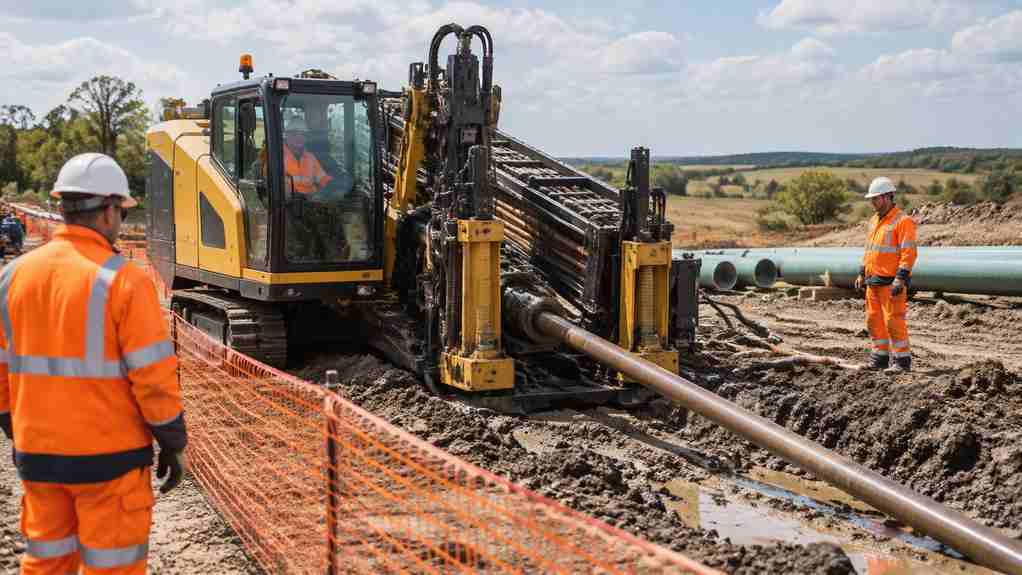
Esso was fined £1 million after corrosion identified in 2010 caused a catastrophic gas leak in 2022. The Fawley verdict is a warning for every organisation managing ageing industrial assets.
France has launched its National Occupational Health Plan 2026–2030, raising the bar on workplace safety compliance, risk assessments, and contractor worker training. Here is what it means for employers.
Whether it’s improving data accuracy, streamlining training, or equipping teams with durable technology, FlexManager has you covered with reliable products that provide assurance in compliance for organisations. We are looking back at our "Product Showcases" to explore once more how our centralised solution can work with technology to transform day-to-day operations for our clients. Let's revisit each product featured, what it offers, and why it matters.
Ontario's JHSC certification training programme changes from 1 July 2026. Find out what is new and how FlexManager helps Ontario employers stay compliant and inspection-ready.
For many organisations, especially those operating across multiple sites or working with contractors, controlling and verifying access can quickly become complex. Manual sign-in processes, paper records, or disconnected systems often make it difficult to confirm whether individuals are properly trained, authorised, or compliant before they enter a site or carry out critical work.
Germany's ArbSchG reforms from June 2026 formally integrate mental health into workplace risk assessments. Learn what has changed and how FlexManager helps organisations stay compliant.
Canada's 2026 Work Fatality Report recorded 1,042 deaths in 2024 and rising rates in seven jurisdictions. Learn why traditional safety approaches are no longer enough and what proactive compliance looks like.
Fill out the form below and one of our FlexPerts will contact you.