The Health and Safety Authority (HSA) has published provisional figures showing that 58 people died in work-related incidents in Ireland during 2025, representing a 61% increase on the 36 who died in 2024.
The agriculture sector, with 23 deaths, continues to account for the highest number of fatalities representing 40% of all work-related fatalities last year from a sector employing approximately 4% of the workforce.
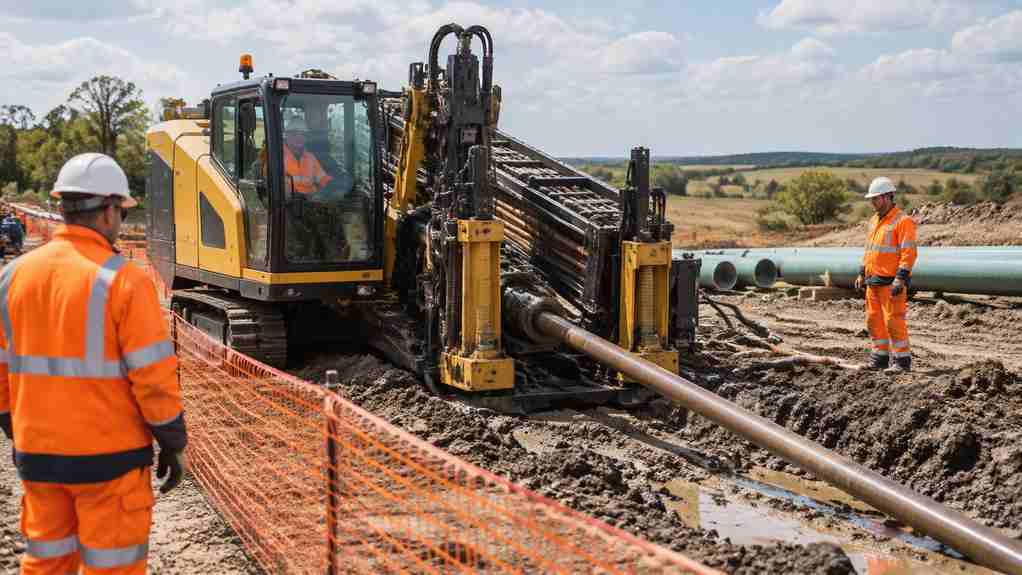
The construction sector recorded 10 fatalities compared to 5 in 2024, while 5 fatalities were recorded in the manufacturing sector, compared to none last year.
Commenting on the figures, Mark Cullen, Chief Executive Officer of the Health and Safety Authority, said:
“The increase in work-related fatalities in 2025 is deeply concerning. Every death is a tragedy, and each one represents a life lost and a family devastated. We recorded our lowest ever fatality rate in 2024 and, while annual figures can fluctuate, this sharp rise serves as a stark reminder that employers and workers alike must stay vigilant and avoid complacency when it comes to workplace safety.”
Mr Cullen emphasised the preventable nature of many of these incidents:
“The fact that so many fatalities continue to involve machinery or vehicles, and falls from height, shows that well-known incident triggers are not being adequately controlled. These are hazards that can be managed through proper risk assessment, forward planning and ensuring that all employees are fully aware of the need to prioritise safe working behaviour.”
Of the 58 fatalities, 19 (33%) were aged 65 or over. This trend is particularly concerning in the context of an aging national demographic and the fact that people are working beyond the traditional retirement age.
Commenting on this unique risk, Mr Cullen said:
“As we get older, we can become less mobile and more prone to serious injury. There’s also the reality that older workers may continue poor habits they formed at a younger age when they were able to recover from a fall or being struck by a machine. Older workers must realise that they are not invincible, safety should always be their priority. No job is important enough to put your life at risk.”
Self-employed workers continue to face significant risks at work. In 2025, self-employed people accounted for 23 of the 58 work-related fatalities (40%), a stark and disproportionate figure that underlines the dangers of working without the support structures typically found in larger organisations. In addition, many self-employed workers operate alone, increasing the danger when incidents occur, as there may be no one present to help or raise the alarm.
Speaking about these dangers, Mark Cullen warned:
“Working safely is entirely possible even if you are self-employed or working alone. When you work alone, particularly in high-risk sectors such as agriculture and construction, you must be even more vigilant in planning your work and ensuring help is available when you need it or if something goes wrong.”
In the coming year, the HSA will deliver a comprehensive programme of risk-based, evidence-led workplace health and safety inspections across all sectors of the economy. Those sectors that pose the highest health and safety risks will be targeted with a range of enforcement, compliance and awareness-raising interventions.
To see a full breakdown of the figures, visit the source page on the HSA website.